
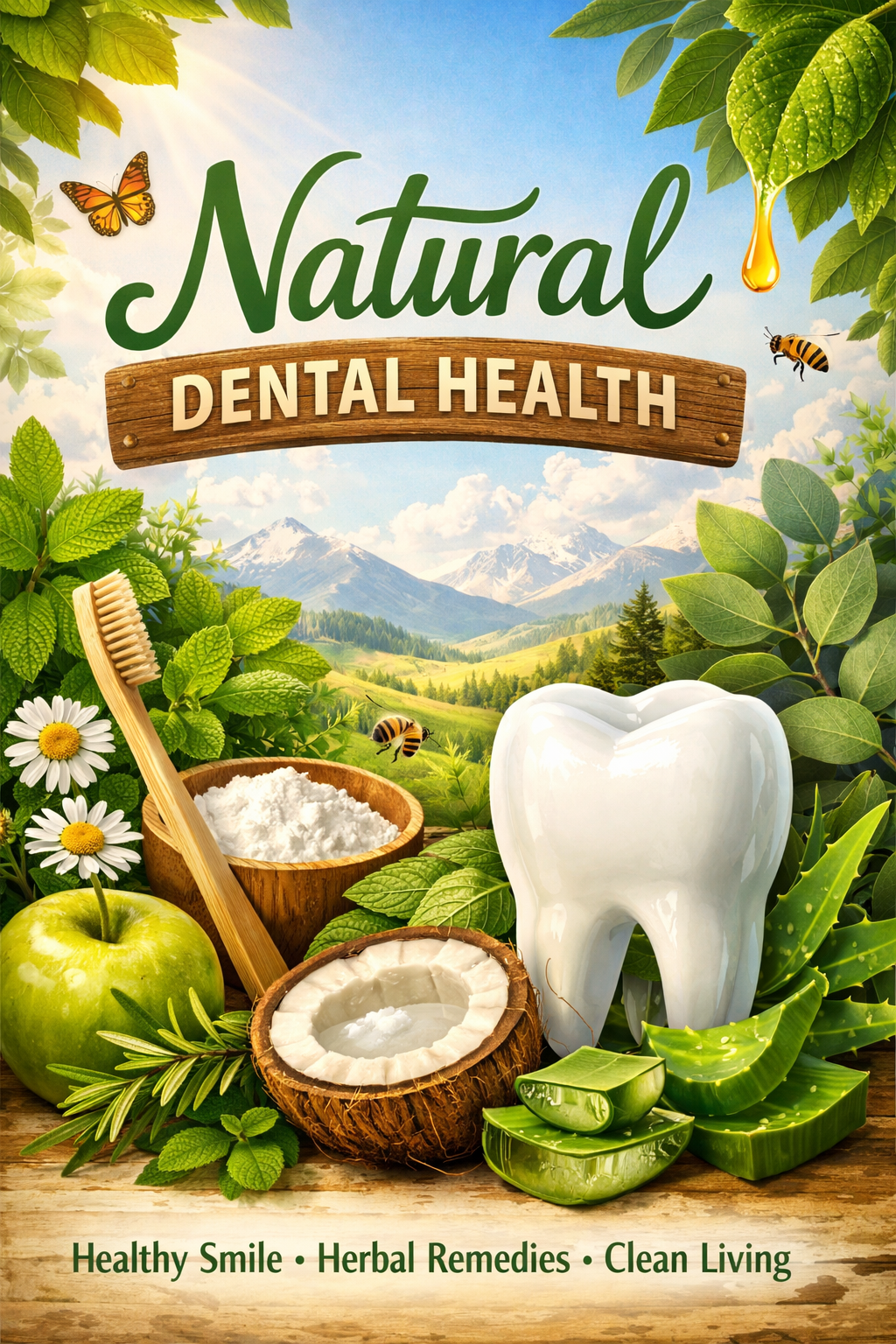
In an era where we’re increasingly conscious about what we put in and on our bodies, it’s only natural to extend this awareness to our oral care routine. Your mouth is the gateway to your body, and maintaining its health naturally can have profound effects on your overall wellbeing. This comprehensive guide will walk you through everything you need to know about achieving and maintaining optimal dental health using natural methods and remedies that have stood the test of time.
Understanding the Foundation of Natural Dental Health
Before diving into specific practices and remedies, it’s essential to understand what natural dental health truly means. Natural dental care focuses on preventing problems before they start, using ingredients and methods that work with your body’s natural systems rather than against them. Unlike conventional dental products that often contain synthetic chemicals, artificial colors, and harsh abrasives, natural approaches emphasize gentle yet effective solutions derived from nature.
The human mouth is home to hundreds of different bacterial species, and maintaining a healthy balance of these microorganisms is crucial for dental health. Natural dental care aims to support the beneficial bacteria while keeping harmful bacteria in check, all without disrupting the delicate ecosystem of your oral cavity.
The Power of Oil Pulling: An Ancient Practice for Modern Times
Oil pulling is an ancient Ayurvedic practice that has gained significant popularity in recent years, and for good reason. This simple yet powerful technique involves swishing oil around your mouth for 15-20 minutes, typically first thing in the morning before eating or drinking anything.
Coconut oil is the most popular choice for oil pulling due to its antimicrobial properties, particularly its high lauric acid content. This medium-chain fatty acid has been shown to reduce harmful bacteria in the mouth, including Streptococcus mutans, the primary bacteria responsible for tooth decay. Sesame oil and sunflower oil are also traditional choices that work wonderfully.
To practice oil pulling, take one tablespoon of your chosen oil and swish it gently around your mouth, pulling it through your teeth. The swishing action helps dislodge bacteria and toxins from between teeth and along the gum line. After 15-20 minutes, spit the oil into a trash can (not your sink, as it can clog pipes), rinse your mouth with warm water, and brush your teeth as usual.
Regular oil pulling practitioners report whiter teeth, fresher breath, healthier gums, and even improvements in overall health. The practice is believed to help reduce plaque, prevent cavities, and support gum health naturally.
Creating Your Natural Toothpaste Arsenal
Commercial toothpastes often contain ingredients like sodium lauryl sulfate, artificial sweeteners, and synthetic fluoride compounds that many people prefer to avoid. Creating your own natural toothpaste or choosing natural alternatives allows you to control exactly what goes into your mouth.
Baking soda forms the base of many natural toothpastes due to its gentle abrasive properties that effectively remove surface stains and neutralize acids in the mouth. When combined with coconut oil, which provides antimicrobial benefits, you create a powerful cleaning paste. Add a few drops of peppermint or tea tree essential oil for flavor and additional antibacterial properties.
A simple recipe involves mixing two tablespoons of coconut oil with three tablespoons of baking soda and 10-15 drops of peppermint essential oil. Store this mixture in a small jar and use it as you would regular toothpaste. Some people also add a small amount of xylitol, a natural sweetener derived from birch trees that has been shown to reduce cavity-causing bacteria.
Activated charcoal has also become popular in natural dental care. While it may seem counterintuitive to brush with something black, activated charcoal is highly absorbent and can help remove surface stains and toxins. However, it should be used sparingly, perhaps once or twice a week, as overuse may be too abrasive for tooth enamel.
The Miracle of Nature’s Toothbrush: Miswak and Neem
Long before plastic toothbrushes became ubiquitous, people around the world used natural alternatives that were remarkably effective. The miswak, a teeth-cleaning twig from the Salvadora persica tree, has been used for thousands of years in Middle Eastern and Asian cultures. Research has shown that miswak contains natural compounds including fluoride, silica, and antimicrobial agents that promote oral health.
Using a miswak is simple: you chew on one end to soften the fibers into a brush-like consistency, then use it to clean your teeth with gentle brushing motions. The natural fibers massage the gums while the plant’s compounds fight bacteria and freshen breath. Many users report that miswak leaves their mouth feeling cleaner and fresher than conventional toothbrushes.
Neem twigs serve a similar purpose and have been used in Indian dental care for centuries. Neem possesses powerful antibacterial, antifungal, and anti-inflammatory properties. Chewing neem sticks or using neem-based toothpaste can help prevent gum disease, reduce plaque buildup, and maintain overall oral hygiene.
Herbal Remedies for Common Dental Issues
Nature provides us with an abundance of herbs and plants that can address specific dental concerns without harsh chemicals or medications.
For bleeding or inflamed gums, sage has remarkable healing properties. You can make a sage mouthwash by steeping fresh or dried sage leaves in hot water, allowing it to cool, and using it as a rinse. Sage contains anti-inflammatory compounds that soothe irritated gum tissue and promote healing.
Clove oil is perhaps one of the most well-known natural dental remedies, traditionally used for toothaches. The active compound eugenol acts as a natural anesthetic and antibacterial agent. Applying a small amount of clove oil to an aching tooth can provide temporary relief while you seek professional dental care. You can also add clove powder to your homemade toothpaste for its antiseptic properties.
Chamomile, known for its calming properties, also works wonders for oral health. A chamomile tea rinse can help reduce inflammation, soothe mouth sores, and promote healing of minor irritations. The gentle nature of chamomile makes it suitable for even the most sensitive mouths.
Myrrh has been used since ancient times for its powerful antimicrobial and astringent properties. A myrrh mouthwash can help tighten gum tissue, reduce inflammation, and combat the bacteria that cause bad breath and gum disease.
Natural Mouthwashes That Actually Work
Commercial mouthwashes often contain alcohol and artificial ingredients that can dry out your mouth and disrupt its natural balance. Natural alternatives can be just as effective while being gentler on your oral tissues.
A simple saltwater rinse is one of the most effective natural mouthwashes. Salt has natural antibacterial properties and helps reduce inflammation. Dissolve half a teaspoon of sea salt in a cup of warm water and swish for 30 seconds. This is particularly beneficial after meals or when your gums feel inflamed.
Apple cider vinegar, diluted properly, makes an excellent natural mouthwash. Its acidic nature helps kill bacteria and remove stains, though it should always be diluted (one tablespoon in a cup of water) and not used immediately before brushing to avoid enamel erosion.
Creating an herbal mouthwash with fresh mint leaves, rosemary, and a cinnamon stick steeped in water produces a refreshing rinse that freshens breath naturally while providing antimicrobial benefits. Store it in the refrigerator and use it within a week for best results.
The Critical Role of Nutrition in Natural Dental Health
What you eat has perhaps the most significant impact on your dental health. A nutrient-rich diet supports strong teeth and healthy gums from the inside out.
Calcium and vitamin D are fundamental for strong teeth and bones. While dairy products are often touted as calcium sources, you can also obtain this mineral from leafy greens like kale and collard greens, almonds, sesame seeds, and fortified plant milks. Vitamin D, essential for calcium absorption, can be obtained through safe sun exposure and foods like fatty fish, egg yolks, and mushrooms.
Vitamin K2, less well-known but equally important, helps direct calcium to where it’s needed in the body, including teeth and bones. Fermented foods like natto, sauerkraut, and certain cheeses are excellent sources.
Phosphorus, found in pumpkin seeds, sunflower seeds, and fish, works alongside calcium to build strong tooth enamel. Vitamin C is crucial for gum health, helping to maintain the connective tissues that hold teeth in place. Citrus fruits, bell peppers, strawberries, and broccoli are all excellent sources.
Crunchy vegetables like carrots, celery, and apples act as natural toothbrushes, scrubbing teeth and stimulating gums while you eat them. The act of chewing these fibrous foods also increases saliva production, which naturally cleanses the mouth and neutralizes acids.
Foods to Avoid for Optimal Natural Dental Health
Just as some foods support dental health, others actively undermine it. Refined sugars are the primary culprits, feeding harmful bacteria that produce acids which erode tooth enamel. This doesn’t mean you can never enjoy something sweet, but being mindful of frequency and practicing good oral hygiene afterward is essential.
Sticky foods, even natural ones like dried fruits, can cling to teeth and provide a prolonged food source for bacteria. If you do eat them, rinse your mouth with water afterward or follow up with crunchy vegetables.
Acidic foods and beverages, including citrus fruits and their juices, can temporarily soften tooth enamel. While these foods have nutritional benefits, it’s best to consume them with meals rather than sipping on them throughout the day, and wait at least 30 minutes after consuming them before brushing to allow your enamel to reharden.
The Importance of Proper Brushing and Flossing Techniques
Even with the best natural products, technique matters enormously. Use a soft-bristled brush (bamboo toothbrushes are an excellent natural option) and brush for two minutes, twice daily. Hold your brush at a 45-degree angle to your gums and use gentle, circular motions rather than aggressive back-and-forth scrubbing.
Don’t neglect your tongue, which can harbor bacteria and contribute to bad breath. Gently brush your tongue or use a tongue scraper, another ancient practice that effectively removes bacterial buildup.
Flossing is non-negotiable for complete dental care. Natural dental floss made from silk or other biodegradable materials works just as well as conventional versions. Floss at least once daily, preferably before bedtime, to remove food particles and plaque from between teeth where your brush can’t reach.
Natural Remedies for Fresh Breath
Bad breath often stems from bacterial buildup, dry mouth, or digestive issues. Addressing the root cause naturally is more effective than masking odors with artificial fresheners.
Staying well-hydrated keeps your mouth moist and helps wash away food particles and bacteria. Saliva is your mouth’s natural defense system, and adequate water intake ensures optimal saliva production.
Chewing on fresh herbs like parsley, mint, or fennel seeds naturally freshens breath. These herbs contain chlorophyll and essential oils that neutralize odors and kill bacteria.
Probiotics support a healthy bacterial balance not just in your gut but also in your mouth. Consuming fermented foods like yogurt, kefir, kimchi, and kombucha can help maintain beneficial bacteria that keep harmful bacteria in check.
The Mind-Body Connection in Dental Health
Stress significantly impacts oral health, often manifesting as teeth grinding, jaw clenching, or gum inflammation. Managing stress through natural methods like meditation, yoga, deep breathing exercises, or spending time in nature can indirectly benefit your dental health.
Quality sleep is also crucial, as your body does much of its healing and regeneration during rest. Poor sleep can weaken your immune system, making you more susceptible to gum disease and other oral health issues.
Building Your Natural Dental Care Routine
Creating a consistent natural dental care routine doesn’t have to be complicated or time-consuming. Start your morning with oil pulling while you shower or prepare breakfast. Follow with gentle brushing using your natural toothpaste, making sure to spend adequate time on all surfaces of your teeth. Rinse with a natural mouthwash if desired.
Throughout the day, rinse your mouth with water after meals and snacks, especially if you’ve consumed something acidic or sweet. Keep crunchy vegetables on hand for healthy snacking that benefits your teeth.
Before bed, floss thoroughly, brush again with your natural toothpaste, and consider a final rinse with salt water or an herbal mouthwash. This nighttime routine is particularly important as saliva production decreases during sleep, making thorough cleaning essential.
When to Seek Professional Help
While natural dental care is powerful and effective for prevention and maintenance, it’s not a substitute for professional dental care when serious issues arise. Regular check-ups with a holistic or biological dentist can help catch problems early. These practitioners often embrace natural approaches while providing necessary interventions when required.
Never ignore persistent tooth pain, bleeding gums, loose teeth, or other concerning symptoms. Natural remedies can support healing and prevent many problems, but some conditions require professional treatment.
Conclusion: Embracing Natural Dental Health for Life
Transitioning to natural dental care is an investment in your long-term health and wellbeing. The methods and remedies outlined in this guide have been used successfully for generations and are supported by both traditional wisdom and modern research.
Remember that consistency is key. Natural approaches work with your body’s inherent healing abilities, and while they may not provide the instant gratification of harsh chemical products, their gentle effectiveness supports sustainable oral health without unwanted side effects.
Start by incorporating one or two new practices into your routine, then gradually expand as they become habits. Whether it’s oil pulling, making your own toothpaste, or simply being more mindful about the foods you eat, each small step contributes to a healthier, more vibrant smile.
Your mouth is uniquely yours, and what works best may require some experimentation. Listen to your body, observe what makes your teeth feel cleanest and your gums healthiest, and adjust accordingly. With patience, consistency, and the wisdom of natural dental care, you can maintain a beautiful, healthy smile for years to come—all while knowing that you’re nurturing your body with the gentle, effective power of nature.
The journey to natural dental health is not just about avoiding chemicals or following trends. It’s about reconnecting with time-tested practices that honor the wisdom of our ancestors while embracing a more conscious, sustainable approach to self-care. Your smile is worth it, and nature has provided everything you need to keep it radiant and healthy.
Dentitox Pro