
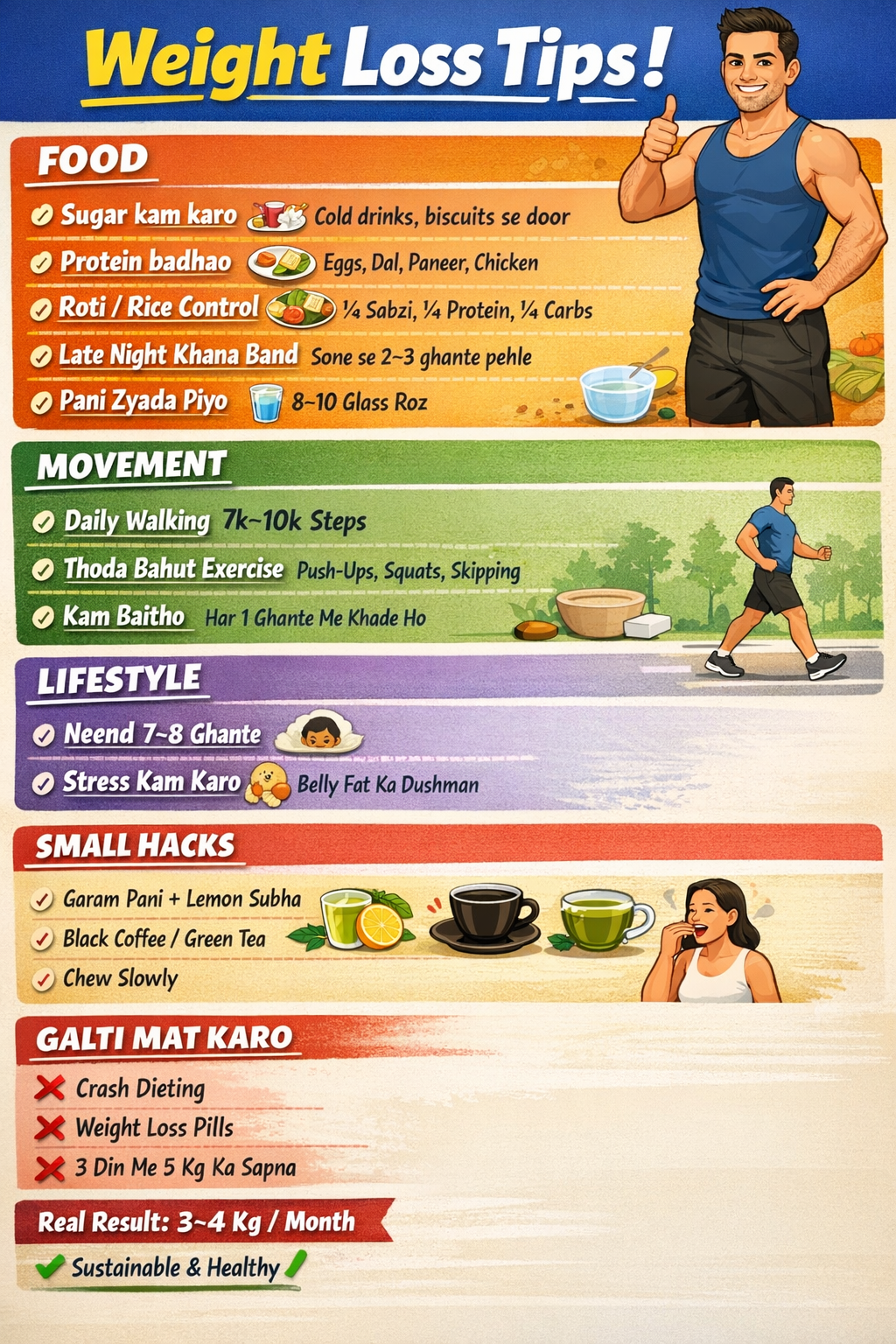
Weight loss is one of the most common health goals worldwide, yet it remains one of the most challenging to achieve sustainably. While the market is flooded with quick-fix solutions, pills, and extreme diet plans, the truth is that lasting weight loss comes from natural, sustainable lifestyle changes. This comprehensive guide will walk you through everything you need to know about losing weight naturally, without resorting to harmful shortcuts or unsustainable methods.
Understanding Natural Weight Loss
Natural weight loss means shedding excess pounds through methods that work with your body’s natural processes rather than against them. It involves making gradual, sustainable changes to your eating habits, physical activity, sleep patterns, and overall lifestyle. Unlike crash diets or diet pills, natural weight loss focuses on long-term health and wellness rather than quick results.
The foundation of natural weight loss rests on a simple principle: creating a calorie deficit while nourishing your body with wholesome foods and maintaining an active lifestyle. However, it’s much more nuanced than simply “eat less, move more.” Your hormones, metabolism, sleep quality, stress levels, and even gut health all play crucial roles in your weight loss journey.
The Power of Whole Foods
One of the most important steps in natural weight loss is transitioning to a whole foods diet. Whole foods are foods that are minimally processed and as close to their natural state as possible. Think fresh fruits, vegetables, whole grains, lean proteins, nuts, seeds, and legumes.
These foods are naturally lower in calories and higher in nutrients compared to processed foods. They contain fiber, which keeps you feeling full longer and supports healthy digestion. When you fill your plate with colorful vegetables, lean proteins, and complex carbohydrates, you’re providing your body with the nutrients it needs while naturally reducing calorie intake.
Start by eliminating or drastically reducing processed foods, sugary snacks, refined grains, and fast food from your diet. Replace white bread with whole grain bread, swap sugary cereals for oatmeal topped with fresh berries, and choose grilled chicken over fried options. These simple substitutions can make a tremendous difference in your calorie intake and overall health.
Hydration: The Forgotten Weight Loss Tool
Water is perhaps the most underrated tool in natural weight loss. Drinking adequate water throughout the day helps boost your metabolism, suppresses appetite, and helps your body efficiently flush out toxins and waste products.
Many people mistake thirst for hunger, leading to unnecessary snacking. Before reaching for a snack, try drinking a glass of water and waiting 10-15 minutes. Often, you’ll find that the hunger sensation disappears.
Aim for at least 8-10 glasses of water daily, more if you’re physically active or live in a hot climate. Start your day with a glass of warm water with fresh lemon juice to kickstart your metabolism. Drink a glass of water before each meal to help control portion sizes. Green tea is another excellent beverage choice, as it contains antioxidants and compounds that may boost metabolism naturally.
The Role of Protein in Natural Weight Loss
Protein is your best friend when trying to lose weight naturally. It’s the most satiating macronutrient, meaning it keeps you feeling full longer than carbohydrates or fats. Protein also has a high thermic effect, which means your body burns more calories digesting protein compared to other nutrients.
Additionally, adequate protein intake helps preserve muscle mass during weight loss. This is crucial because muscle tissue burns more calories at rest than fat tissue, so maintaining muscle helps keep your metabolism elevated.
Include protein-rich foods in every meal. Excellent natural sources include eggs, chicken breast, fish, Greek yogurt, cottage cheese, lentils, chickpeas, quinoa, tofu, and nuts. Aim for about 0.8-1 gram of protein per pound of body weight, adjusting based on your activity level.
Fiber: Nature’s Appetite Suppressant
Fiber is another crucial component of natural weight loss. It slows digestion, stabilizes blood sugar levels, and keeps you feeling satisfied for hours after eating. High-fiber foods also tend to be less energy-dense, meaning you can eat more volume for fewer calories.
There are two types of fiber: soluble and insoluble. Soluble fiber dissolves in water and forms a gel-like substance in your digestive system, which slows digestion and helps you feel full. Insoluble fiber adds bulk to your stool and helps food pass through your digestive system, promoting regularity.
Excellent sources of fiber include vegetables like broccoli, Brussels sprouts, and leafy greens; fruits such as apples, pears, and berries; whole grains like oats and brown rice; and legumes including beans, lentils, and chickpeas. Aim for at least 25-30 grams of fiber daily.
Natural Movement and Exercise
Physical activity is essential for natural weight loss, but it doesn’t mean you need to spend hours in the gym. The key is finding activities you enjoy and can sustain long-term.
Start with walking, which is one of the most accessible and effective forms of exercise. Aim for at least 30 minutes of brisk walking daily. As your fitness improves, incorporate more challenging activities like jogging, cycling, swimming, or hiking.
Strength training is equally important. Building muscle increases your resting metabolic rate, meaning you burn more calories even when you’re not exercising. You don’t need expensive equipment; bodyweight exercises like push-ups, squats, lunges, and planks are highly effective.
Find ways to incorporate more movement into your daily routine. Take the stairs instead of the elevator, park farther from store entrances, do squats while brushing your teeth, or take short walking breaks throughout your workday. These small changes add up significantly over time.
The Sleep-Weight Loss Connection
Quality sleep is one of the most overlooked factors in natural weight loss. When you don’t get enough sleep, your body produces more ghrelin (the hunger hormone) and less leptin (the satiety hormone), making you hungrier and more likely to overeat.
Poor sleep also affects insulin sensitivity and increases cortisol levels, both of which can promote fat storage, particularly around the midsection. Additionally, when you’re tired, you’re more likely to reach for high-calorie, sugary foods for quick energy.
Aim for 7-9 hours of quality sleep each night. Establish a consistent sleep schedule, create a relaxing bedtime routine, keep your bedroom cool and dark, and avoid screens for at least an hour before bed. These habits will improve your sleep quality and support your weight loss efforts.
Stress Management for Weight Loss
Chronic stress is a significant barrier to natural weight loss. When you’re stressed, your body releases cortisol, a hormone that can increase appetite and promote fat storage, especially visceral fat around your organs.
Stress also leads many people to emotional eating, using food as a coping mechanism for anxiety, sadness, or frustration. This creates a cycle that’s difficult to break and can sabotage even the best dietary intentions.
Incorporate stress-management techniques into your daily routine. Practice meditation or deep breathing exercises for just 10 minutes each morning. Try yoga, which combines physical movement with mindfulness. Spend time in nature, which has been shown to reduce stress hormones naturally. Journal about your feelings instead of eating them. Find healthy outlets for stress that don’t involve food.
Mindful Eating Practices
Mindful eating means paying full attention to the experience of eating and drinking. It involves eating slowly, without distraction, and truly savoring each bite. This practice helps you recognize your body’s natural hunger and fullness cues, preventing overeating.
Put away your phone, turn off the TV, and sit down at a table for meals. Chew each bite thoroughly, noticing the flavors, textures, and aromas of your food. Pause between bites and check in with your hunger levels. Stop eating when you feel satisfied, not stuffed.
This practice transforms eating from a mindless activity into a conscious, enjoyable experience. You’ll likely find that you eat less overall while enjoying your food more.
The Importance of Consistency
Perhaps the most crucial aspect of natural weight loss is consistency. Dramatic changes or extreme restrictions are difficult to maintain and often lead to burnout and regain. Instead, focus on making small, sustainable changes that you can stick with long-term.
Don’t aim for perfection. If you have an indulgent meal or miss a workout, don’t view it as failure. Simply get back on track with your next meal or the next day. Weight loss isn’t linear; you’ll have weeks where the scale doesn’t move or even goes up slightly. This is normal and doesn’t mean your efforts aren’t working.
Track your progress through multiple measures beyond the scale. Take photos, measure your waist circumference, notice how your clothes fit, and pay attention to improvements in energy levels, sleep quality, and overall well-being.
Natural Herbs and Spices
Certain herbs and spices can support your weight loss efforts naturally. Ginger helps boost metabolism and aids digestion. Cinnamon helps regulate blood sugar levels, reducing cravings. Cayenne pepper contains capsaicin, which may increase fat burning. Turmeric has anti-inflammatory properties that support overall health.
Green tea, particularly matcha, contains compounds called catechins that may boost metabolism. Apple cider vinegar, when consumed in small amounts diluted in water before meals, may help with appetite control and blood sugar regulation.
While these additions can support your efforts, they’re not magic solutions. Use them as complements to a healthy diet and active lifestyle, not as replacements for fundamental healthy habits.
Building a Sustainable Lifestyle
Natural weight loss isn’t about following a diet for a few weeks or months; it’s about creating a sustainable lifestyle that supports your health long-term. This means finding a way of eating and moving that you can maintain for years, not just until you reach a certain number on the scale.
Focus on building healthy habits rather than pursuing a goal weight. When your focus shifts from the destination to the journey, weight loss becomes a natural byproduct of living a healthy life rather than a constant struggle.
Allow yourself flexibility and grace. Include foods you love in moderation rather than labeling them as “forbidden.” Celebrate non-scale victories like having more energy, sleeping better, or feeling stronger. These improvements in overall health and quality of life are just as important, if not more so, than the number on the scale.
Creating Your Natural Weight Loss Plan
Now that you understand the principles of natural weight loss, it’s time to create your personalized plan. Start by assessing your current habits honestly. Keep a food diary for a week, noting what you eat, when you eat, and how you feel. Track your sleep patterns and activity levels. This baseline information will help you identify areas for improvement.
Set realistic, specific goals. Instead of “I want to lose weight,” try “I will walk for 30 minutes every morning” or “I will eat vegetables with lunch and dinner.” These concrete, behavior-focused goals are more achievable and motivating than vague weight-loss targets.
Make changes gradually. Don’t try to overhaul your entire life overnight. Start with one or two changes, master them, then add more. Perhaps begin by drinking more water and adding a vegetable to dinner. Once these become habits, add a morning walk. Then focus on improving sleep quality. This gradual approach prevents overwhelm and builds sustainable momentum.
Prepare your environment for success. Stock your kitchen with healthy whole foods and remove tempting processed snacks. Prep meals in advance when you have time and energy. Keep a water bottle with you always. Lay out your workout clothes the night before. These small environmental changes make healthy choices easier and more automatic.
The Community Factor
Don’t underestimate the power of support in your natural weight loss journey. Share your goals with friends and family who will encourage you. Join a walking group, fitness class, or online community of people with similar goals. Having accountability and support makes the journey more enjoyable and increases your chances of long-term success.
Consider finding a workout buddy or healthy eating partner. When you commit to meeting someone for a morning walk, you’re much more likely to follow through than if you’re relying solely on your own motivation. Share healthy recipes, celebrate each other’s victories, and provide encouragement during challenging times.
Remember that your journey is unique to you. Avoid comparing yourself to others or getting discouraged by someone else’s faster progress. Focus on your own improvements, no matter how small they may seem.
Conclusion
Natural weight loss is a journey that requires patience, consistency, and self-compassion. By focusing on whole foods, staying hydrated, getting adequate sleep, managing stress, and moving your body regularly, you create an environment where weight loss happens naturally and sustainably.
Remember, the goal isn’t just to lose weight but to build a healthier, more vibrant life. Every small positive change you make contributes to your overall well-being. Trust the process, be patient with yourself, and celebrate every step forward on your journey to better health.
The path to natural weight loss isn’t always easy, but it’s deeply rewarding. You’re not just changing your body; you’re transforming your relationship with food, movement, and self-care. That transformation is worth far more than any number on a scale.
Your body is incredibly intelligent and wants to be healthy. When you provide it with nutritious food, adequate rest, regular movement, and proper stress management, it will naturally find its optimal weight. This isn’t about deprivation or punishment; it’s about nourishment and care.
Start today with one small change. Drink an extra glass of water. Take a 10-minute walk. Add a serving of vegetables to your dinner. Each small step builds upon the last, creating momentum that carries you toward your goals. Your future, healthier self will thank you for the investment you’re making today.
The journey of natural weight loss teaches you invaluable lessons about discipline, self-care, and resilience that extend far beyond physical transformation. Embrace the journey, trust in natural methods, and watch as your body and life transform in beautiful, sustainable ways.
Mitolyn